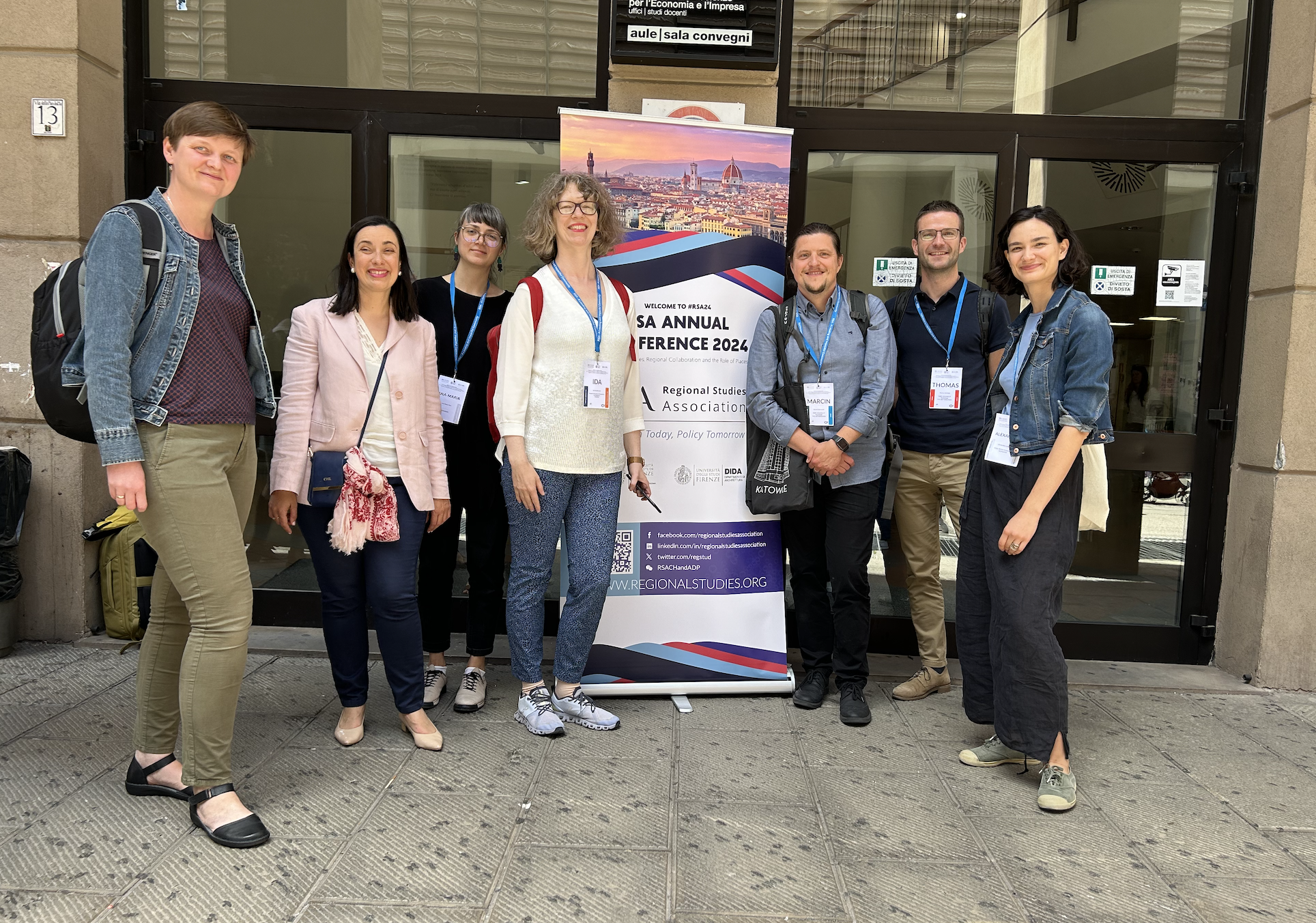
I had the pleasure to attend the Regional Studies Association’s Annual Conference in Florence. And what an event that was! I barely had time to do some parallel session hopping to learn new things. Things kicked off the day before the conference for me, with the RSA Board meeting, first one with Alan Kinder as the new RSA CEO. Then after the opening plenary and first parallel sessions, I had the pleasure to meet a large group of RSA Territorial Representatives to discuss the future of the ‘RSA diplomacy’ and ways in which we could help members to make the most of the opportunities that the association offers, especially those based in countries with more substantial funding difficulties for research and conference attendence,
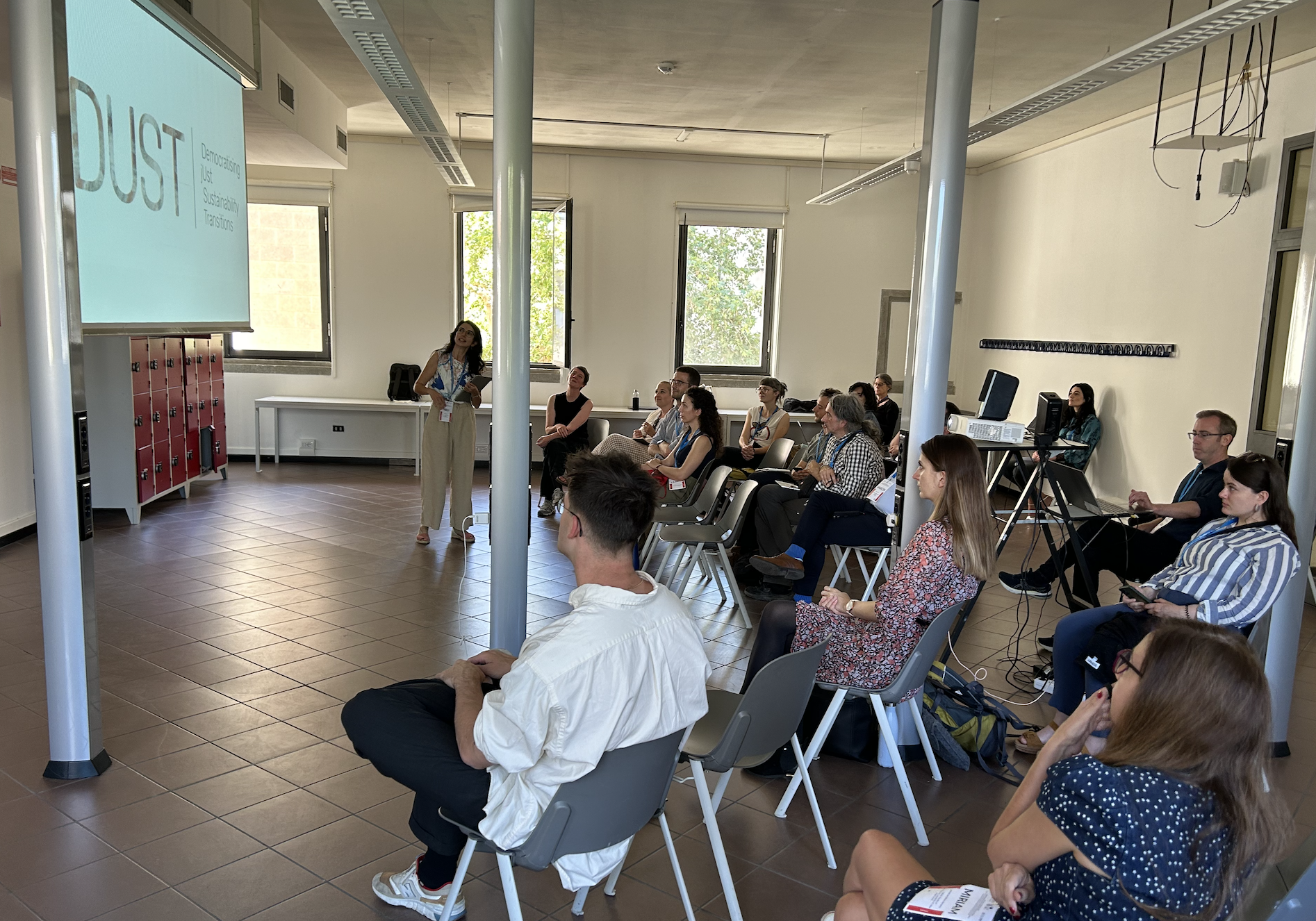
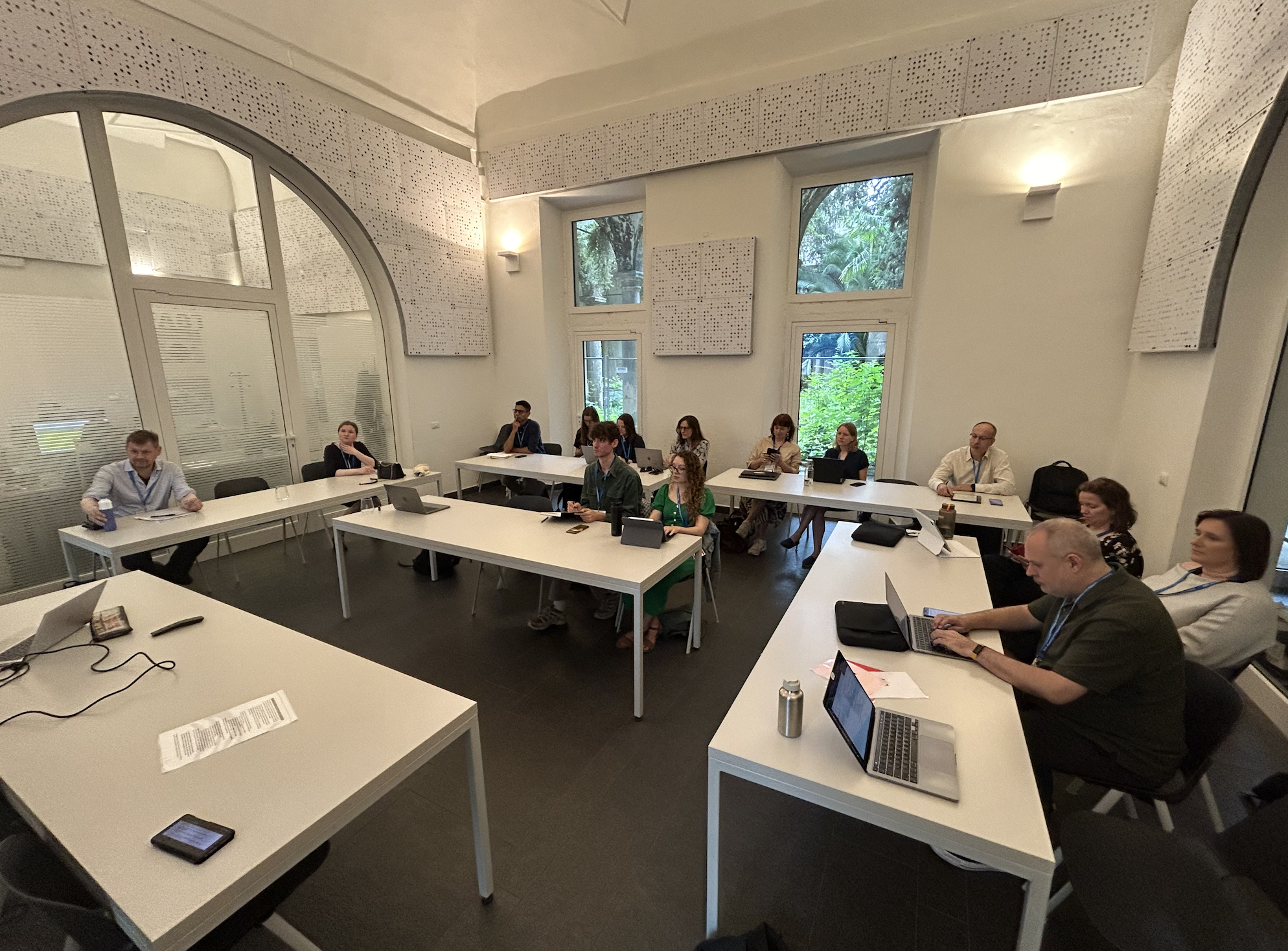
I also organised a triple special session on just sustainability transitions, bringing together two sister projects, our own DUST (Democratising Just Sustainability Transitions) and BOLSTER (Bridging Organizations and marginalized communities for Local Sustainablity Transitions in Europe). In addition to presentations on inclusion of the vulnerable and/or least-engaged communities in decision-making on moving away from fossil fuel economy in regions covered by the EU Just Transition Fund, we had a bunch of additional presentations on related topics, such as use of regional design to engage citizens in flood proofing and river basin management (by Valeria Lingua) or on benchmarking spatial justice in plans and strategies (by Hugo Lopez, UP2030 project). Issues of participation of citizens in the ‘left-behind’ areas and just transition have, by the way, been one of the most prominent topics at the conference, being tackled in the plenaries and many sessions.
Here is a list of presentations in our triple session:
SS45 I – Exploring the Patterns of Participation in Place-based Sustainability Transition Policies
Participation of Least-engaged Communities in the Deliberative Governance of Place-based Approaches to Just Sustainability Transitions: A Bridge too Rar?
Verena Elisabeth Balz, Delft University of Technology
Which Factors Impede or Facilitate Participation of Less Engaged Communities in Place-based Measures for Sustainable Transition? Insights from Comparative Regional Analysis
Neli Georgieva, European Policies Research Centre
The Role of Willingness and Ability in Explaining Citizen Engagement in Place-based Sustainability Transition Policies: Findings from a European Population Survey
Thomas Verbeek, Assistant Professor, Delft University of Technology
How Inter-Territorial Cooperation Contributes to Systemic and Transformative Innovation Policies for Long-Term Societal Wellbeing: Insights from Partnerships for Regional Innovation and Regional Innovation Valleys Initiatives
Solange Mifsud, European Commission
Where Just Transition and Transition Management meet. Insights into the Governance Models of the Four European Regions
Marcin Baron, Assistant Professor, University of Economics in Katowice
SS45 II – Place-based Just Sustainability Transition in Action: Intruments, Policy Measures, Approaches
Patterns of Citizen Participation in Place-based Just Sustainability Transition Policies: Who takes part in the Shaping of Post-gas Futures in the Province of Groningen?
Marcin Dabrowski, Assistant Professor, Delft University of Technology
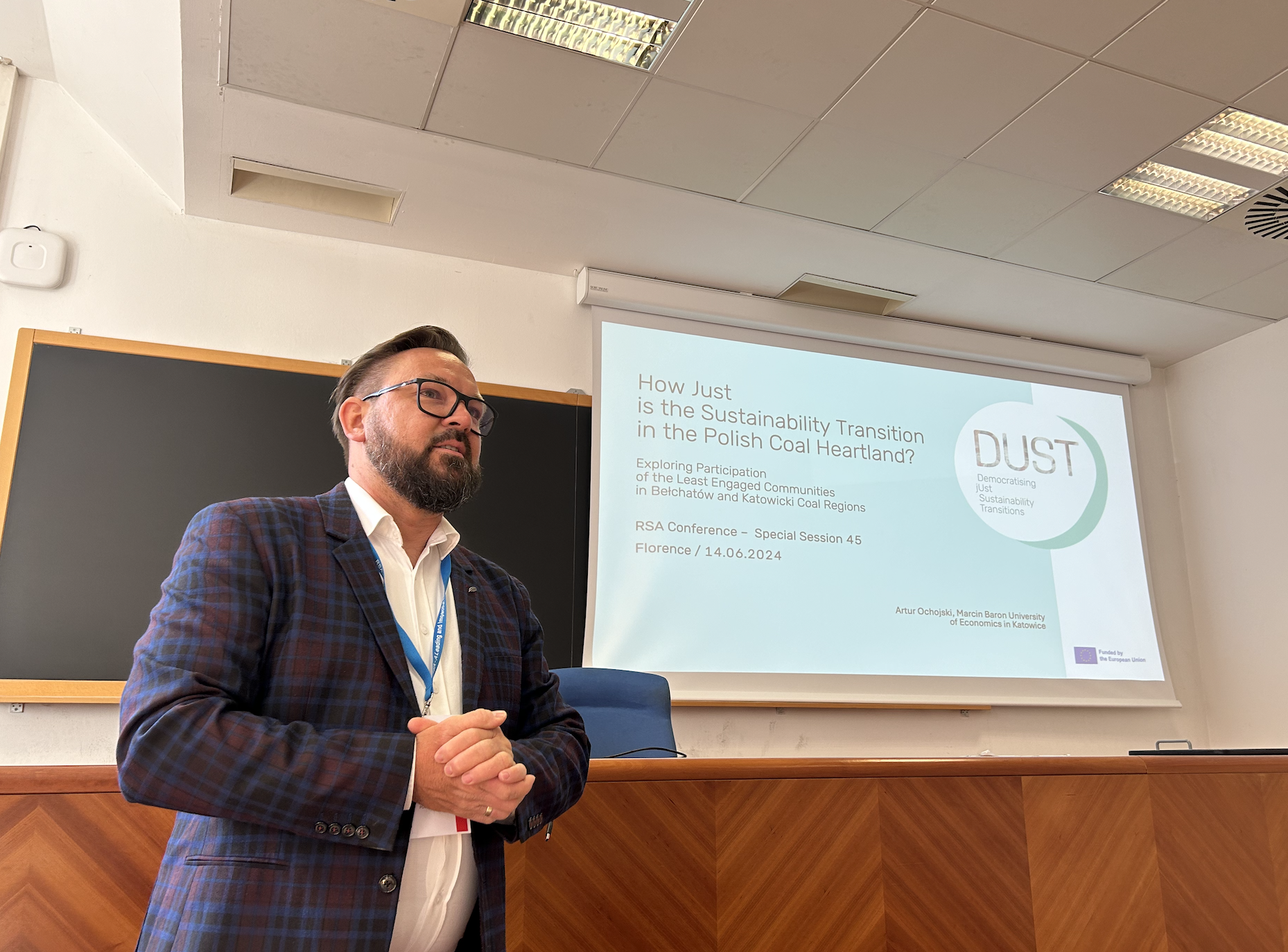
How Just is the Sustainability Transition in the Polish Coal Heartland? Exploring Participation of the Least Engaged Communities in Bełchatów and Katowicki Coal Regions
Artur Ochojski, University of Economics in Katowice
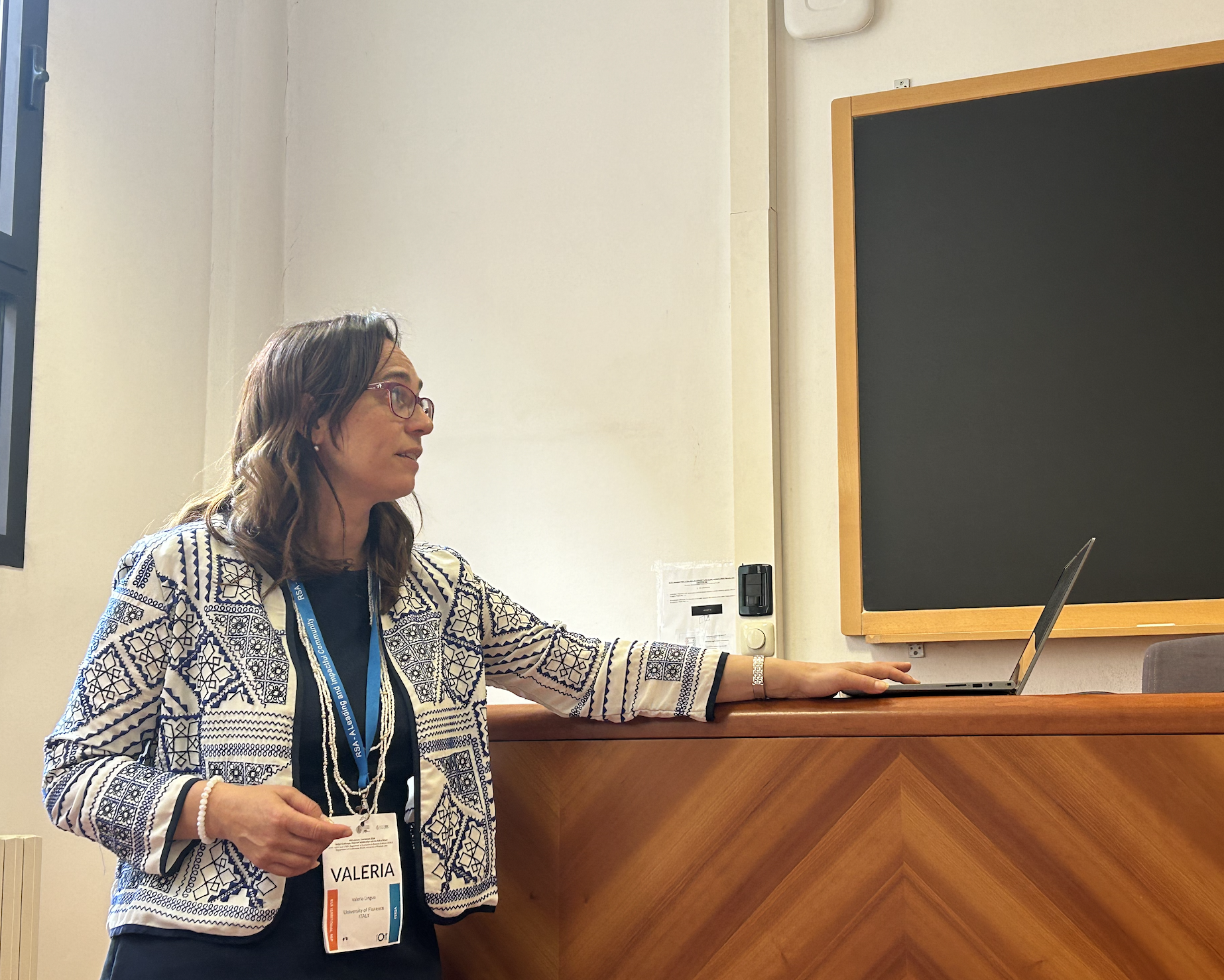
Planning Sustainable Urban Futures: Participative Design-oriented Activities for Sustainability in Florence
Valeria Lingua, Full professor on Urban and Regional Planning, University of Florence
Green Transition Pathways and their Context-dependency: A Regional Comparison between Emilia-Romagna (Italy) and Transdanubia Central (Hungary)
Andrea Testi, Postdoc researcher, University of Florence
Exploring Regional Future Literacy Labs: Innovative citizen participatory mechanisms for sustainable green transitions in Europe
John Moodie, Nordregio
SS45 III – Spatial Justice and Place-based Approaches in Sustainability Policies
Spatial Justice Analysis of Urban Sustainability Transition Plans: A Critical Examination of Ten European Cities
Hugo Lopez and Marcin Dąbrowski, Assistant Professor, Delft University of Technology
Mitigation Policies and the Material Dimension of Economic Development in European Countries
Gabriel Renault, PhD candidate, Université Grenoble Alpes
Just Transition and the Need for Levelling up
Claudia Vecciolini, King’s College London
Agency and Local Narratives in the Romanian Just Transition Process. The Voice of the Unheard
Ana-Maria Elian

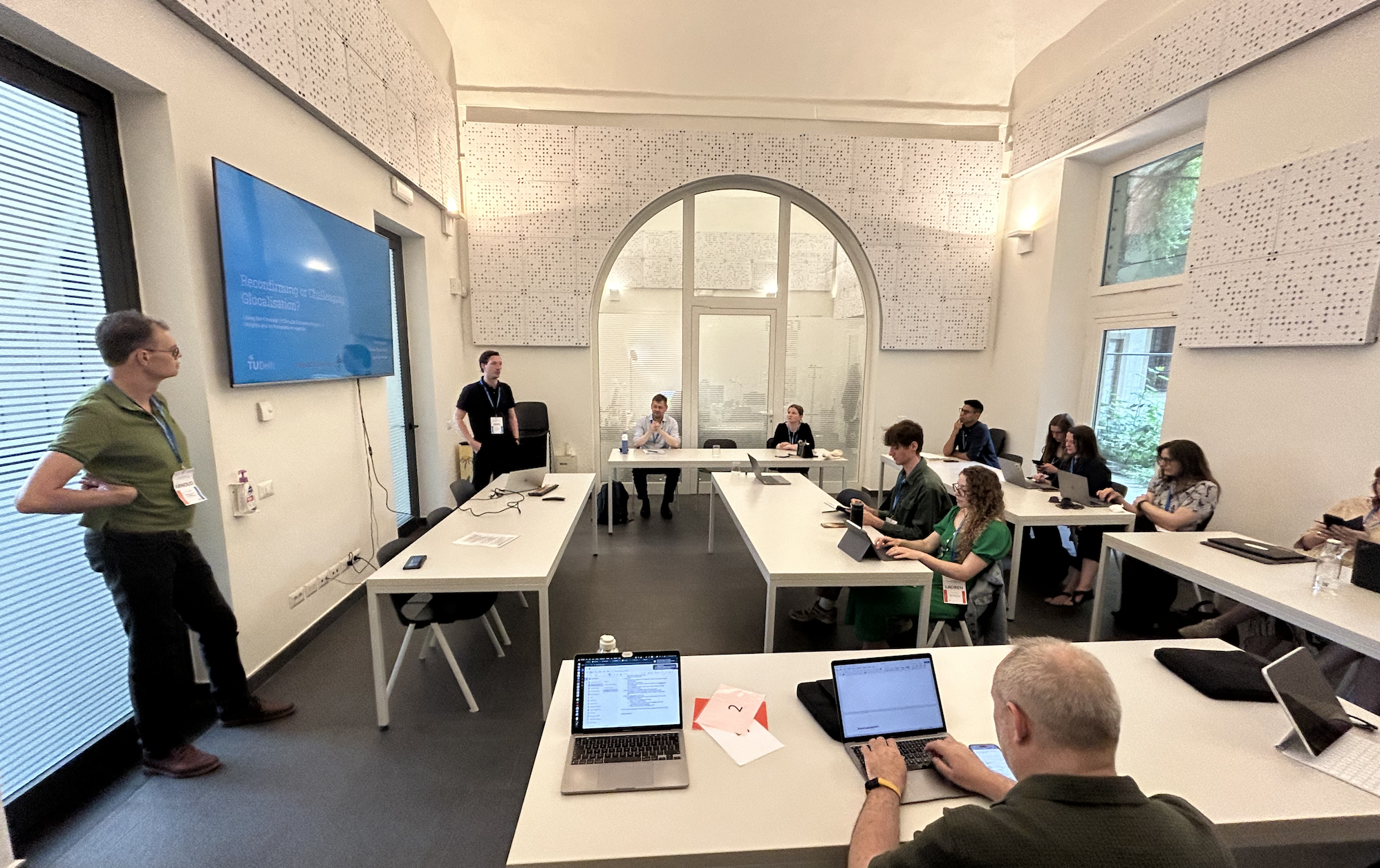
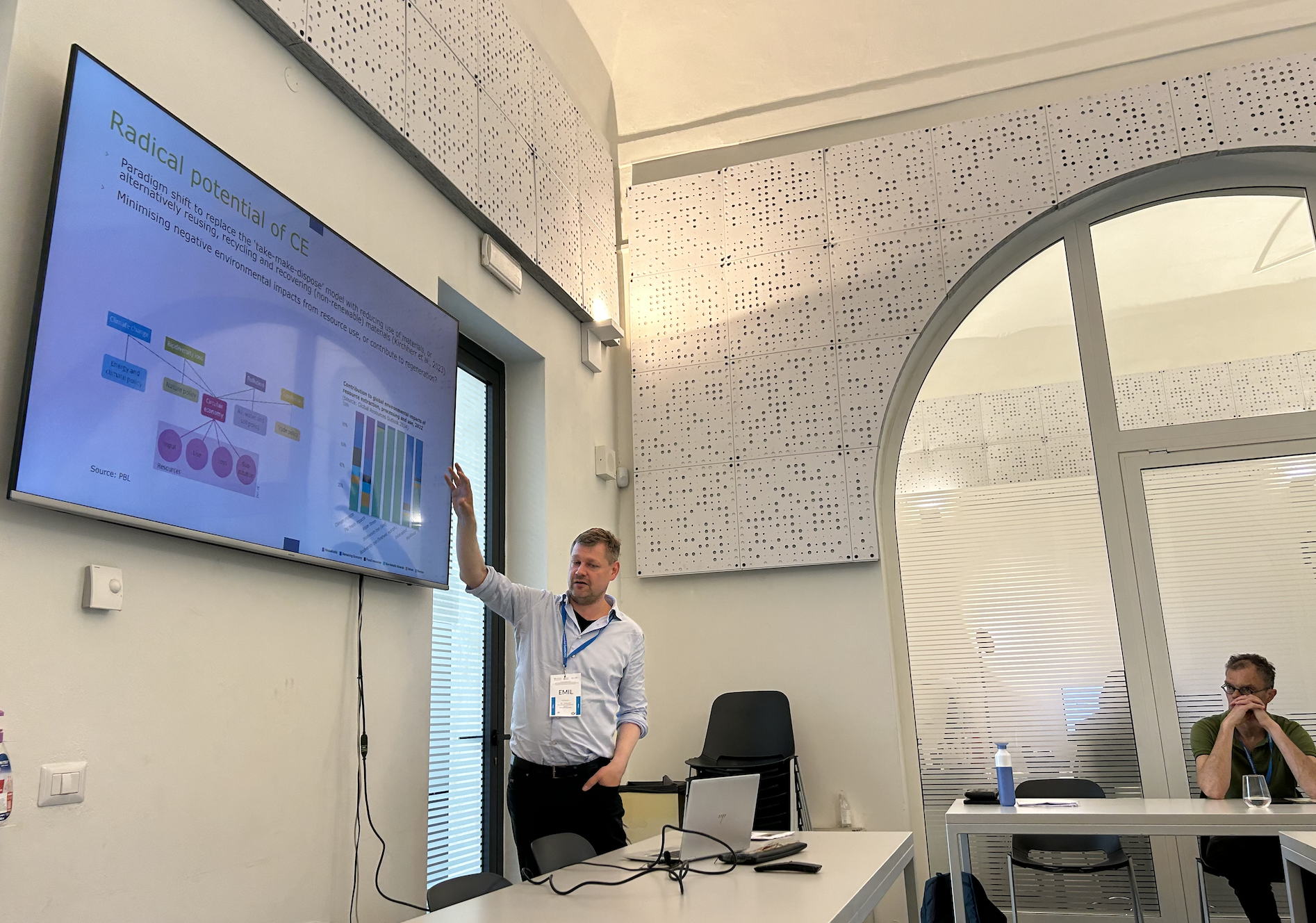
Beyond these DUST/BOLSTER panels, I also co-organised jointly with Karel van den Berghe a double special session on circular economy which also was a resounding success in terms of quality of presentations and attendance. I feel that circular economy has now become one of the prominent research topic within the RSA.
Here is a list of presentations in those two sessions:
SS60 I. From Critically Analysing the Circular Economy…
Critical Geographies of the Circular Economy
Emil Evenhuis, Researcher, PBL – Netherlands Environmental Assessment Agency
Reconfirming or Challenging Glocalisation? Using the Concept of Circular Economy to gain Insights and to Formulate an Agenda
Arnoud Lagendijk, Professor in Economic Geography, Radboud University Nijmegen
Tensions and Duality in Developing a Circular Fashion Economy in Kenya
Lauren England, Lecturer, King’s College London
Perceiving Infrastructure Relationally: Unraveling the Reciprocal Relation between Demand and Supply of Infrastructure to Inform Policy Programs
Laura Bremenkamp, PhD Student, TU Delft
The Circular Economy of Cities and Regions. A Critical Reflection
Karel Van den Berghe, Assistant Professor, Delft University of Technology
SS60 II. …To Navigating towards the Circular Cities and Regions
Chair: Emil Evenhuis, PBL – Netherlands Environmental Assessment Agency, The Netherlands
Exploring the Circular Economy Transition Pathways: A Roadmap Analysis of 15 Canadian Local Governments
Juste Rajaonson, Professor, University of Quebec in Montreal
Social Acceptance of Human Sanitary-based Fertilizers – Can Social Acceptance Hamper the Circular Transition?
Viktor Varju, research fellow, Centre for Regional Studies of the Hungarian Academy of Sciences
Unpacking Circular Economy Capabilities: What We Can Learn from Family Businesses
Rahel Meili, Bern University of Applied Science
Transformative Change and Place-based Circular Economy Interventions: Opportunities and Obstacles
Nick Clifton, Cardiff Metropolitan University
We continue the conversation in London in November:

 Marcin Dąbrowski